Milestone in Green Mobility: TCC-CIMET Partners Ecofleet Africa on the Electric Motorbike Project
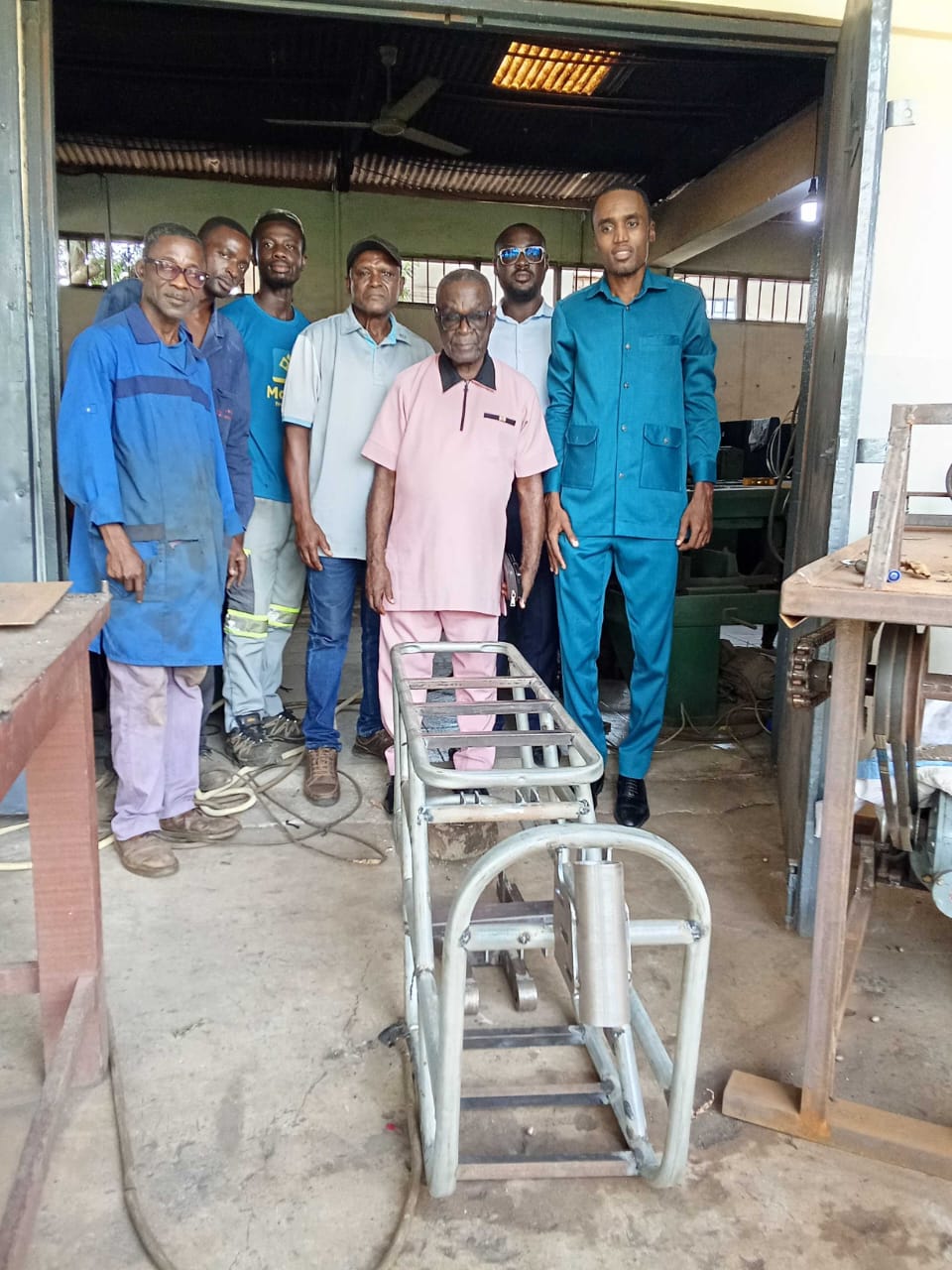
The Technology Transfer and Production Unit (TTPU) of the TCC International Centre for Innovation, Manufacturing, Technology Transfer and Entrepreneurship (TCC-CIMET) has successfully completed the fabrication of the frame for an electric motorbike developed for Ecofleet Africa Limited for the Electric Motorbike project.
This milestone represents an important step in a broader collaborative innovation effort between Ecofleet Africa Limited and its international technical partner, United Vehicles Germany. The partnership is focused on advancing sustainable mobility solutions through the development and localization of electric vehicle technologies tailored for African urban environments.
The completed motorbike frame is a key structural component of the electric mobility system and reflects the growing technical capacity within local production units to contribute meaningfully to clean energy transportation solutions. The work carried out by the Technology Transfer Production Unit demonstrates increasing alignment between academic-industry innovation systems and private sector needs in the emerging green mobility sector.
Beyond its technical achievement, the project highlights the strengthening of international cooperation in sustainable engineering and manufacturing. By combining local expertise with global technological input, the collaboration aims to accelerate the deployment of efficient, environmentally friendly transport solutions in Ghana and beyond.
The next phase of the project will involve the assembly and integration of the electric motorbike systems, scheduled to take place in the first week of June. This stage will bring together engineers, technical teams, partners, and clients to finalize testing and operational readiness of the prototype.
Once completed, the initiative is expected to contribute to broader discussions on clean transport adoption, innovation-driven manufacturing, and technology transfer within Ghana’s mobility ecosystem. It also reinforces the role of TCC-CIMET as a key player in facilitating practical research translation into real-world industrial applications.
Following the successful production of the first e-motorbike, TCC-CIMET, Ecofleet Africa Ltd, and United Vehicles Germany will enter into a formal agreement to establish and legalize their partnership, paving the way for future collaboration in sustainable mobility innovation and industrial development
Was this article helpful?
TCC-CIMET
AdminStay up to date with what's happening at TCC-CIMET and within the KNUST community
Related post:
- VISTA, TCC-CIMET and KNUST Join Forces with MIT D-Lab to Transform Aquatic Weeds into Opportunities for Communities
- TCC-CIMET, Engineering Council, Ghana, Russian Mining Engineers Association Advance Framework for Professional Certification of Mining Engineers in Africa
- TCC-CIMET Calls for Harmonized Certification and Professional Recognition of Mining Engineers in Africa
- TCC-CIMET, DAAD explore digital pathways for circular construction in Africa
- TCC-CIMET, AESD Explore Collaboration to Strengthen Agricultural Technology Development in Ghana
- Prof. Agyare Assumes Chairmanship of TCC-CIMET Governing Board, Strengthening UNESCO, Ghana, KNUST Partnership
- Prof. Agyare Pledges to Transform TCC-CIMET and Strengthen Technology Transfer
- Precision Starts with Advanced CNC Machining
- TCC-CIMET Delivers Precision-Engineered Shaft for Legendary Foods' Coconut Shredder
- TCC-CIMET Hosts Japanese Scholars to Explore Collaboration on Technology Management and Skills Development for Artisans