Can Managed Aquifer Recharge Transform Northern Ghana? Researchers to Explore New Frontiers at the Trans Sahara Conference
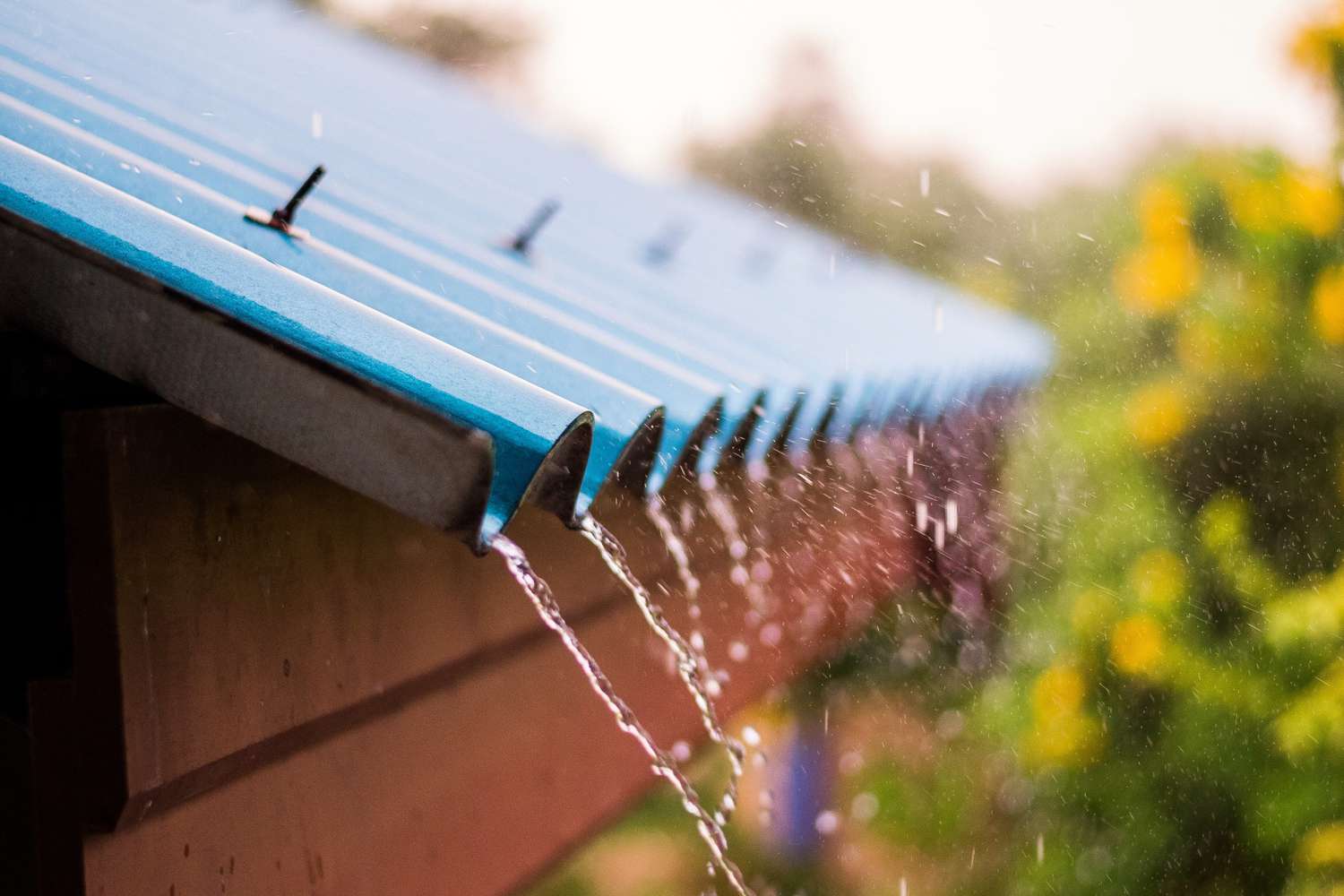
As water scarcity intensifies across Africa’s drylands and rapidly growing urban centres, researchers are asking an urgent question: can innovative groundwater recharge systems successfully developed in southern Ghana be replicated in the north?
This important conversation will take centre stage at the upcoming Trans Sahara Conference, where scientists, water experts, policymakers, and development practitioners will gather to discuss emerging solutions for sustainable groundwater management across Africa.
The discussion follows a groundbreaking study conducted in peri-urban communities in Kumasi, Ghana, which demonstrated that Managed Aquifer Recharge (MAR) using Rooftop Rainwater Harvesting Systems (RRWHS) can significantly improve groundwater recharge and enhance water security.
Over a 12-month monitoring period, researchers successfully harvested and infiltrated more than 518 cubic metres of rooftop rainwater into shallow aquifers through specially designed recharge wells. The MAR-equipped wells recorded recharge levels nearly three times higher than wells relying solely on natural infiltration processes. Groundwater levels in some recharge wells more than doubled after rainfall events, highlighting the enormous potential of rooftop rainwater harvesting as a climate adaptation strategy.
Now, attention is turning to Northern Ghana and the wider Sahel region, where groundwater resources are increasingly threatened by prolonged dry seasons, erratic rainfall patterns, land degradation, and rising water demand.
Researchers believe the northern regions may present both unique challenges and extraordinary opportunities for Managed Aquifer Recharge systems.
Unlike the humid forest zones of southern Ghana, northern Ghana experiences a single rainy season with shorter but often more intense rainfall events. These climatic conditions could make rainwater harvesting even more critical for capturing and storing water that would otherwise be lost as runoff.
However, hydrogeological differences between the north and south raise important scientific questions. Variations in soil permeability, aquifer characteristics, groundwater depth, and evaporation rates may influence how effectively rooftop rainwater can recharge underground water systems in semi-arid environments.
At the Trans Sahara Conference, researchers will explore whether MAR-RRWHS systems can be redesigned and optimised for northern Ghana’s conditions. Discussions will focus on how local architecture, community water practices, sanitation systems, and climate realities can shape future groundwater recharge strategies
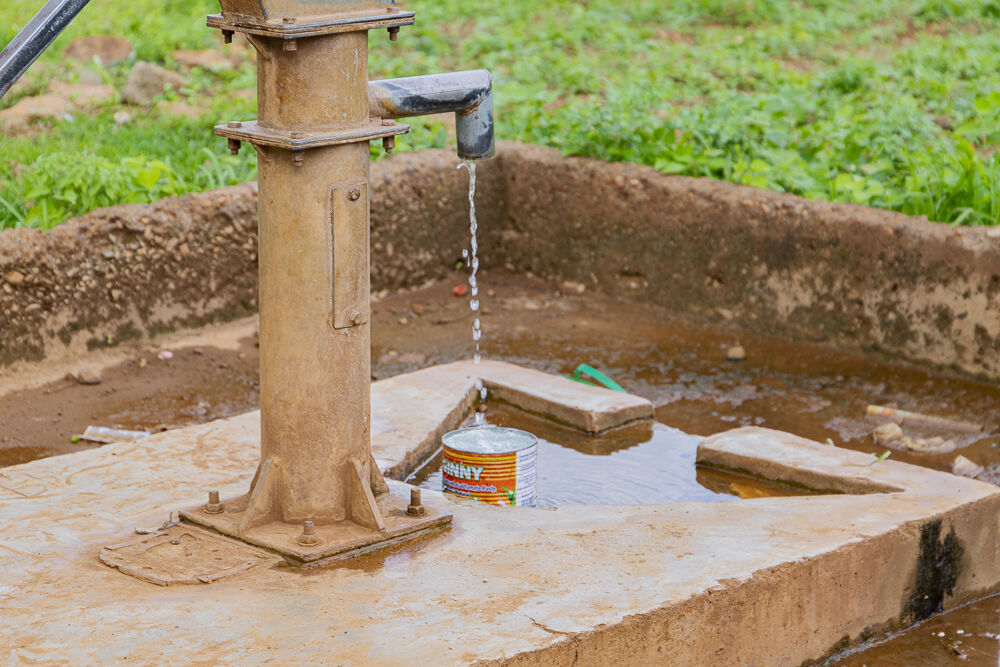
The conference will also examine how traditional water knowledge and modern hydrogeological science can work together to strengthen resilience in vulnerable communities across the Sahara and sub-Saharan regions.
Experts say the potential benefits could be transformative.
If successfully adapted, rooftop rainwater recharge systems could help stabilize groundwater levels, reduce pressure on overstretched boreholes, improve dry-season water availability, and build resilience against climate-induced droughts in northern Ghana and across the Sahel.
The discussions are expected to contribute to broader conversations on climate adaptation, urban water resilience, and sustainable groundwater governance throughout Africa.
Join us at the Trans Sahara Conference as researchers, innovators, and policymakers come together to examine whether the rooftops of today can become the underground reservoirs of tomorrow.
Was this article helpful?
TCC-CIMET
AdminStay up to date with what's happening at TCC-CIMET and within the KNUST community
Related post:
- TCC-CIMET, DAAD explore digital pathways for circular construction in Africa
- TCC-CIMET, AESD Explore Collaboration to Strengthen Agricultural Technology Development in Ghana
- Prof. Agyare Assumes Chairmanship of TCC-CIMET Governing Board, Strengthening UNESCO, Ghana, KNUST Partnership
- Prof. Agyare Pledges to Transform TCC-CIMET and Strengthen Technology Transfer
- Precision Starts with Advanced CNC Machining
- TCC-CIMET Delivers Precision-Engineered Shaft for Legendary Foods' Coconut Shredder
- TCC-CIMET Hosts Japanese Scholars to Explore Collaboration on Technology Management and Skills Development for Artisans
- TCC-CIMET and Whitefalls Energy Explore Clean Energy Transportation Initiative for KNUST
- WiNE-KNUST, TCC-CIMET Celebrates International Women in Engineering Day with an Inspiring Seminar
- TCC-CIMET Hosts the African WEFE Nexus Summit 2026 Under the Trans Sahara Project