TCC-CIMET Hosts the African WEFE Nexus Summit 2026 Under the Trans Sahara Project
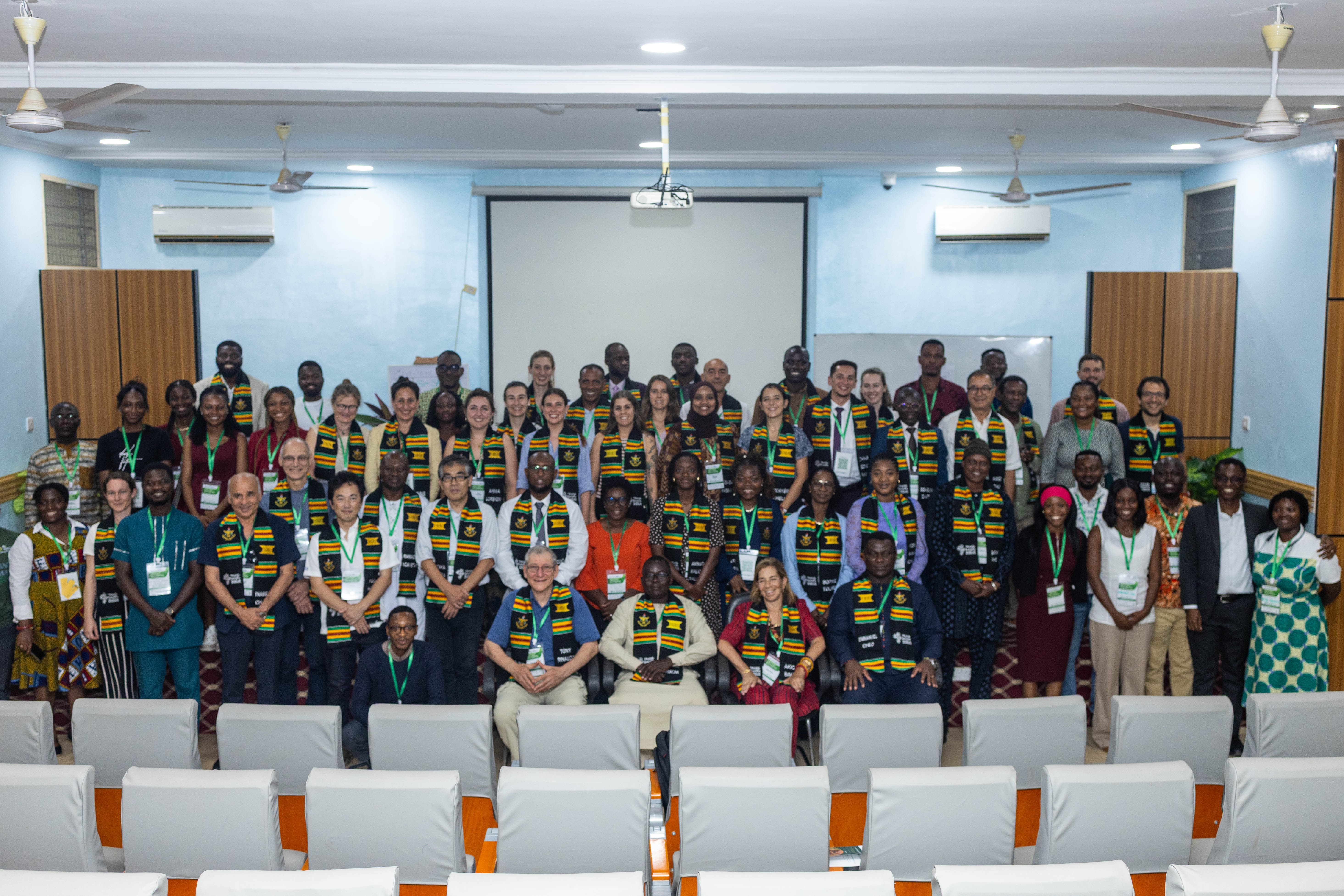
The TCC International Cnetre for Innovation, Manufacturing, Technology Transfer and Entrepreneurship (TCC-CIMET)has successfully hosted the African WEFE Nexus Summit 2026 under the Trans Sahara Project, bringing together researchers, innovators, policymakers, industry leaders, entrepreneurs, development partners, and academics from across Africa and beyond.
The summit served as a dynamic platform for dialogue, collaboration, and knowledge exchange on the Water-Energy-Food-Ecosystems (WEFE) Nexus and its critical role in advancing sustainable development across the continent. Participants explored innovative approaches to addressing Africa's interconnected water, energy, food, and environmental challenges through cutting-edge research, technological innovation, entrepreneurship, and evidence-based policymaking.
Speaking on behalf of the Vice-Chancellor during the opening ceremony, Professor Samuel Asare Nkansah commended the Trans Sahara Project consortium and its partners for their commitment to advancing sustainable development through collaboration and innovation. He also spoke on the significance of the summit and its lasting impact on future generations.
"I commend the TRANS-SAHARA consortium, our international and local partners, the organising committee, sponsors, reviewers, and all authors whose dedication has made this summit and Book of Abstracts possible. Your contributions demonstrate the transformative potential of international cooperation in advancing sustainable development. As we deliberate on the future of climate-smart and water-secure development, let us reaffirm our collective commitment to translating research into practical solutions, empowering the next generation of innovators, and building resilient societies capable of meeting the environmental challenges of the twenty-first century," he said.
The Trans Sahara Project is a consortium-led initiative dedicated to advancing sustainable agroforestry management across the Greater Northern African Region through a Water-Energy-Food-Ecosystems (WEFE) Nexus approach. Coordinated by the Technische Universität München (TUM) under the leadership of Dr. Daphne Keilmann-Gondhalekar, the project brings together partners from across Africa and Europe to promote integrated, climate-smart, and water-secure development.
In Ghana, the project is being implemented by the TCC International Centre for Innovation, Manufacturing, Technology Transfer and Entrepreneurship (TCC-CIMET) at the Kwame Nkrumah University of Science and Technology (KNUST). The initiative is funded by the European Union through the Horizon Europe Framework Programme, supporting collaborative research, innovation, and capacity building to address the interconnected challenges of water, energy, food, and ecosystem sustainability.
Director-General of TCC-CIMET, Professor Francis Davis, emphasized that the interconnected challenges of climate change, water security, food systems, energy access, and ecosystem sustainability require integrated, cross-sectoral approaches.
He noted that the summit provides a unique platform for knowledge exchange, innovation, and partnership-building to accelerate sustainable development across Africa.
“The Water-Energy-Food-Ecosystems (WEFE) Nexus provides such a framework. It reminds us that sustainable development cannot be achieved through isolated sectoral interventions. Water security depends on healthy ecosystems. Food production depends on sustainable water management and reliable energy. Renewable energy development must protect biodiversity. Urban and rural development must be planned within ecological limits. Therefore, understanding these relationships is essential if Africa builds resilient economies and sustainable communities,” he said.
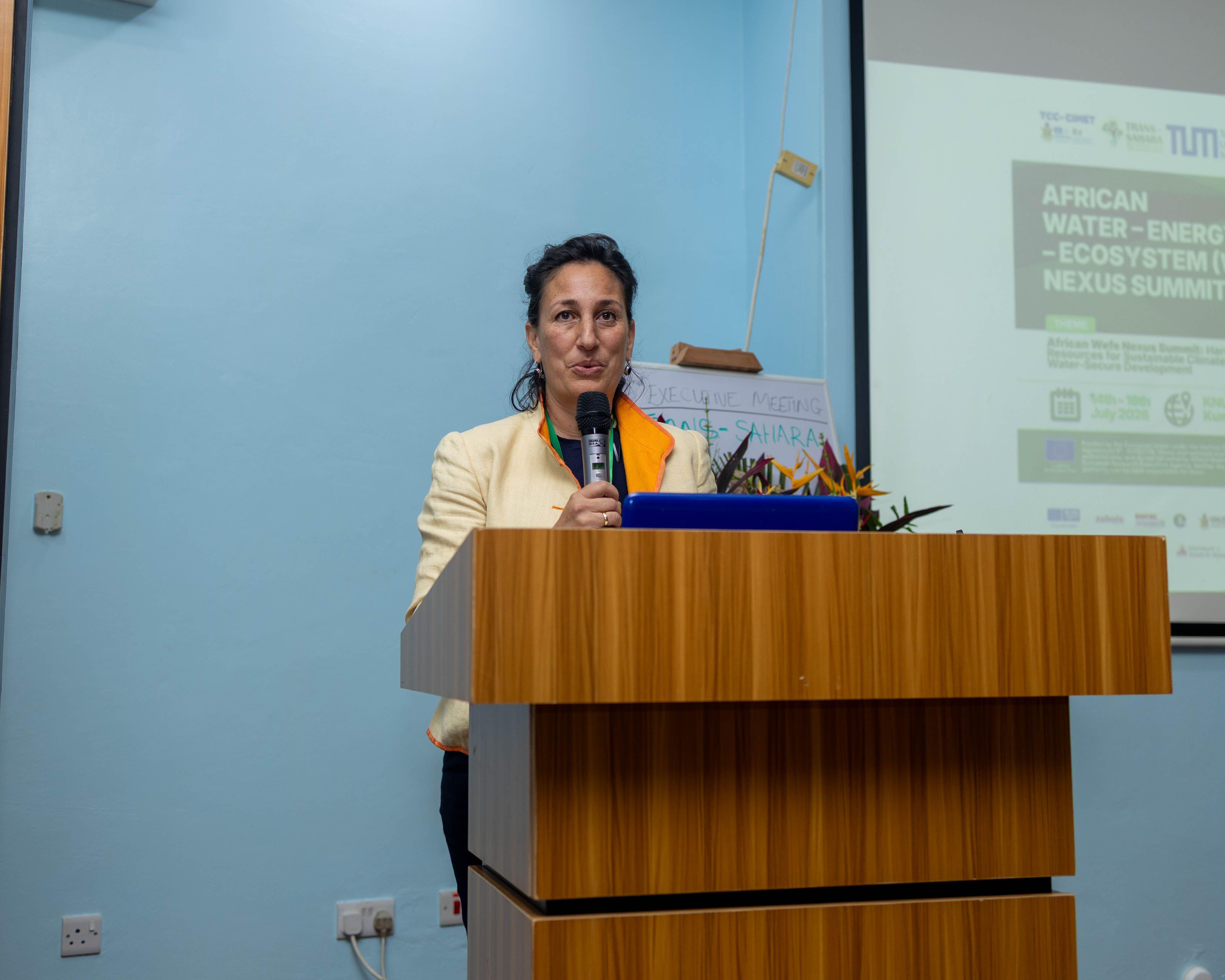
In her presentation, Principal Investigator of the project Dr. Daphne Keilmann-Gondhalekar explained that “more than a forum for scientific exchange, this Summit provides an opportunity to showcase innovative solutions, strengthen partnerships, and foster dialogue that can inform policy, accelerate innovation, and promote sustainable development across Africa. The breadth of expertise represented here demonstrates the growing importance of the WEFE Nexus as a framework for building resilient communities and ecosystems.”
The event featured insightful keynote presentations, panel discussions, and collaborative engagements focused on strengthening cross-sector partnerships, promoting sustainable resource management, and accelerating the adoption of innovative solutions that support climate resilience, economic growth, and inclusive development.
Addressing participants at the opening ceremony, the Municipal Chief Executive (MCE) for the Oforikrom Municipal Assembly, Hon. Anwel Sadat Ahmed, emphasized the importance of integrated and collaborative approaches to sustainable development. He noted that the interconnected challenges of water, energy, food, and ecosystem management require coordinated action among government, academia, the private sector, development partners, and local communities.
"Ghana understands that sustainable development hinges on integrated management of water, energy, food, and ecosystems. The nation is actively advancing initiatives that support sustainable water, energy, and environmental management. Yet, significant work remains. Tackling today's intricate environmental challenges demands robust collaboration among local governments, national institutions, universities, the private sector, development partners, and communities. This summit is a prime opportunity to establish these crucial partnerships," he said.
Also present at the summit were members of the Trans Sahara Project Advisory Board, alongside representatives from the six partner countries Ghana, Tunisia, Ethiopia, Senegal, Djibouti, and Chad. Their participation reflected the project's strong governance structure and commitment to fostering regional collaboration in advancing sustainable natural resource management across the Greater Northern African Region.
The project is anchored by three major Living Labs in Ghana, Tunisia, and Ethiopia, which serve as the primary innovation and demonstration hubs. These are complemented by three satellite Living Labs in Senegal, Djibouti, and Chad, where locally adapted solutions are developed, tested, refined, and scaled to strengthen climate resilience and promote sustainable management of water, energy, food, and ecosystem resources.
The summit reaffirmed the importance of regional collaboration in driving transformative solutions that contribute to a more sustainable and prosperous future for Africa.
Was this article helpful?
TCC-CIMET
AdminStay up to date with what's happening at TCC-CIMET and within the KNUST community
Related post:
- TCC-CIMET, DAAD explore digital pathways for circular construction in Africa
- TCC-CIMET, AESD Explore Collaboration to Strengthen Agricultural Technology Development in Ghana
- Prof. Agyare Assumes Chairmanship of TCC-CIMET Governing Board, Strengthening UNESCO, Ghana, KNUST Partnership
- Prof. Agyare Pledges to Transform TCC-CIMET and Strengthen Technology Transfer
- Precision Starts with Advanced CNC Machining
- TCC-CIMET Delivers Precision-Engineered Shaft for Legendary Foods' Coconut Shredder
- TCC-CIMET Hosts Japanese Scholars to Explore Collaboration on Technology Management and Skills Development for Artisans
- TCC-CIMET and Whitefalls Energy Explore Clean Energy Transportation Initiative for KNUST
- WiNE-KNUST, TCC-CIMET Celebrates International Women in Engineering Day with an Inspiring Seminar
- Can Managed Aquifer Recharge Transform Northern Ghana? Researchers to Explore New Frontiers at the Trans Sahara Conference