TCC-CIMET Calls for Harmonized Certification and Professional Recognition of Mining Engineers in Africa
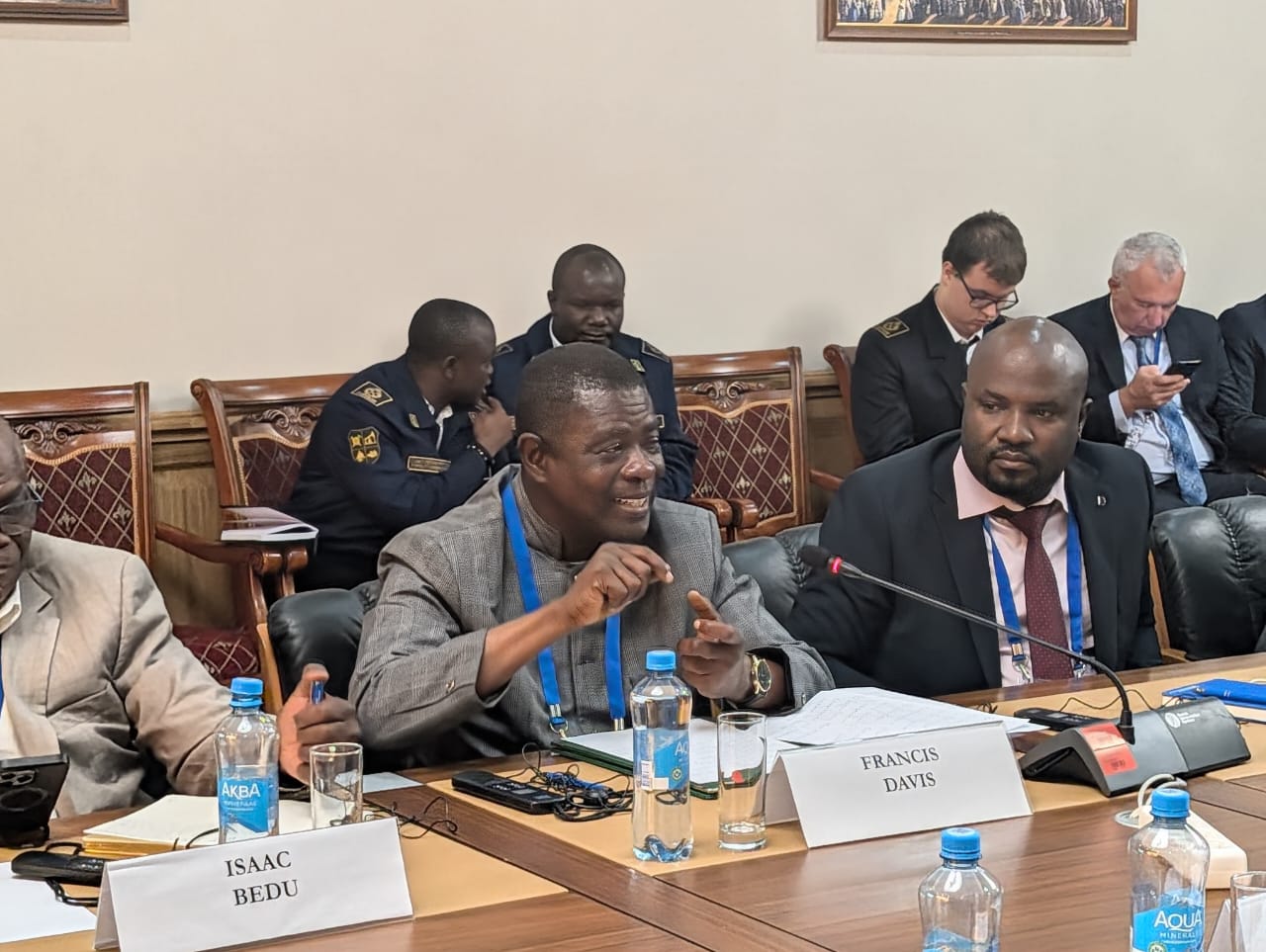
The TCC International Centre for Innovation, Manufacturing, Technology Transfer and Entrepreneurship (TCC-CIMET) at the Kwame Nkrumah University of Science and Technology (KNUST) has called for stronger collaboration among UNESCO Centers of Excellence and engineering institutions to promote the standardization of certification and professional recognition for mining engineers across Africa.
The call was made by the Centre’s Director-General, Prof. Francis Davis, during a roundtable discussion titled “Mining Engineer of the Future: Competences, Standard Professional Recognition,” held in Saint Petersburg, Russia. The discussion formed part of an international gathering focused on strengthening cooperation in natural resource management, technological innovation and engineering education.
The event, organized by the Ministry of Foreign Affairs of the Russian Federation, the UNESCO International Competence Centre for Mining Engineering Education, and Empress Catherine II Saint Petersburg Mining University, brought together international delegates, academic leaders and industry experts to explore opportunities for cooperation in the sustainable development and management of raw materials.
The gathering attracted representatives from more than 40 African countries, including over 100 heads of agencies and organizations, alongside more than 500 participants. It provided a platform for dialogue on shared priorities in the mining sector, with particular attention to sustainable resource management, technological advancement and the development of professional competencies.
Speaking during the roundtable, Prof. Davis emphasized the importance of collaboration between UNESCO Centres of Excellence and engineering institutions in advancing engineering education and strengthening professional standards.
He highlighted TCC-CIMET’s role in supporting engineering education and development in Africa, underscoring the need for coordinated efforts to establish common approaches to certifying and recognizing mining engineering professionals across the continent.
“Engineering education therefore has a very important role to play in building a strong and mutually beneficial partnership between Russia and African countries,” he said.
Prof. Davis emphasized that such partnerships could strengthen collaboration among universities, research institutions, industry and professional engineering bodies to improve engineering competencies, modernize curricula, promote applied research and equip future engineers to respond to emerging industrial challenges. He also highlighted the potential for these partnerships to facilitate knowledge exchange, encourage technological innovation and strengthen professional standards in the mining and raw materials sectors.
The roundtable was chaired by Dr. Viacheslav O. Zyrin, Executive Director of the National Association of Mining Engineers and Alberto Julio Tsamba, President of the Southern African Federation of Engineering Organizations (SAFEO). Other contributors included the Chair of the TCC-CIMET Governing Board and the Registrar of the Engineering Council, Ghana, alongside representatives of the Southern African Federation of Engineers and the Institution of Engineers of Kenya.
Discussions centered on the competencies required of future mining engineers, the importance of consistent professional standards, and the recognition of engineering qualifications across national boundaries. These issues are particularly relevant to Africa’s mining sector, where collaboration among universities, professional bodies and regulatory authorities can support the development of a skilled workforce capable of responding to evolving industry needs.
TCC-CIMET’s participation reflects the Centre’s continued engagement in international discussions on engineering education, professional development and institutional collaboration. By contributing to these conversations, the Centre supports efforts to strengthen engineering capacity, encourage knowledge exchange and advance professional recognition frameworks that respond to Africa’s industrial and technological development priorities.
Was this article helpful?
TCC-CIMET
AdminStay up to date with what's happening at TCC-CIMET and within the KNUST community
Related post:
- VISTA, TCC-CIMET and KNUST Join Forces with MIT D-Lab to Transform Aquatic Weeds into Opportunities for Communities
- TCC-CIMET, Engineering Council, Ghana, Russian Mining Engineers Association Advance Framework for Professional Certification of Mining Engineers in Africa
- TCC-CIMET, DAAD explore digital pathways for circular construction in Africa
- TCC-CIMET, AESD Explore Collaboration to Strengthen Agricultural Technology Development in Ghana
- Prof. Agyare Assumes Chairmanship of TCC-CIMET Governing Board, Strengthening UNESCO, Ghana, KNUST Partnership
- Prof. Agyare Pledges to Transform TCC-CIMET and Strengthen Technology Transfer
- Precision Starts with Advanced CNC Machining
- TCC-CIMET Delivers Precision-Engineered Shaft for Legendary Foods' Coconut Shredder
- TCC-CIMET Hosts Japanese Scholars to Explore Collaboration on Technology Management and Skills Development for Artisans
- TCC-CIMET and Whitefalls Energy Explore Clean Energy Transportation Initiative for KNUST