TCC-CIMET, DAAD explore digital pathways for circular construction in Africa
The future of Africa’s rapidly growing cities may depend not only on how much infrastructure is built, but on how efficiently resources are used, materials are managed and waste is reintegrated into the construction cycle.
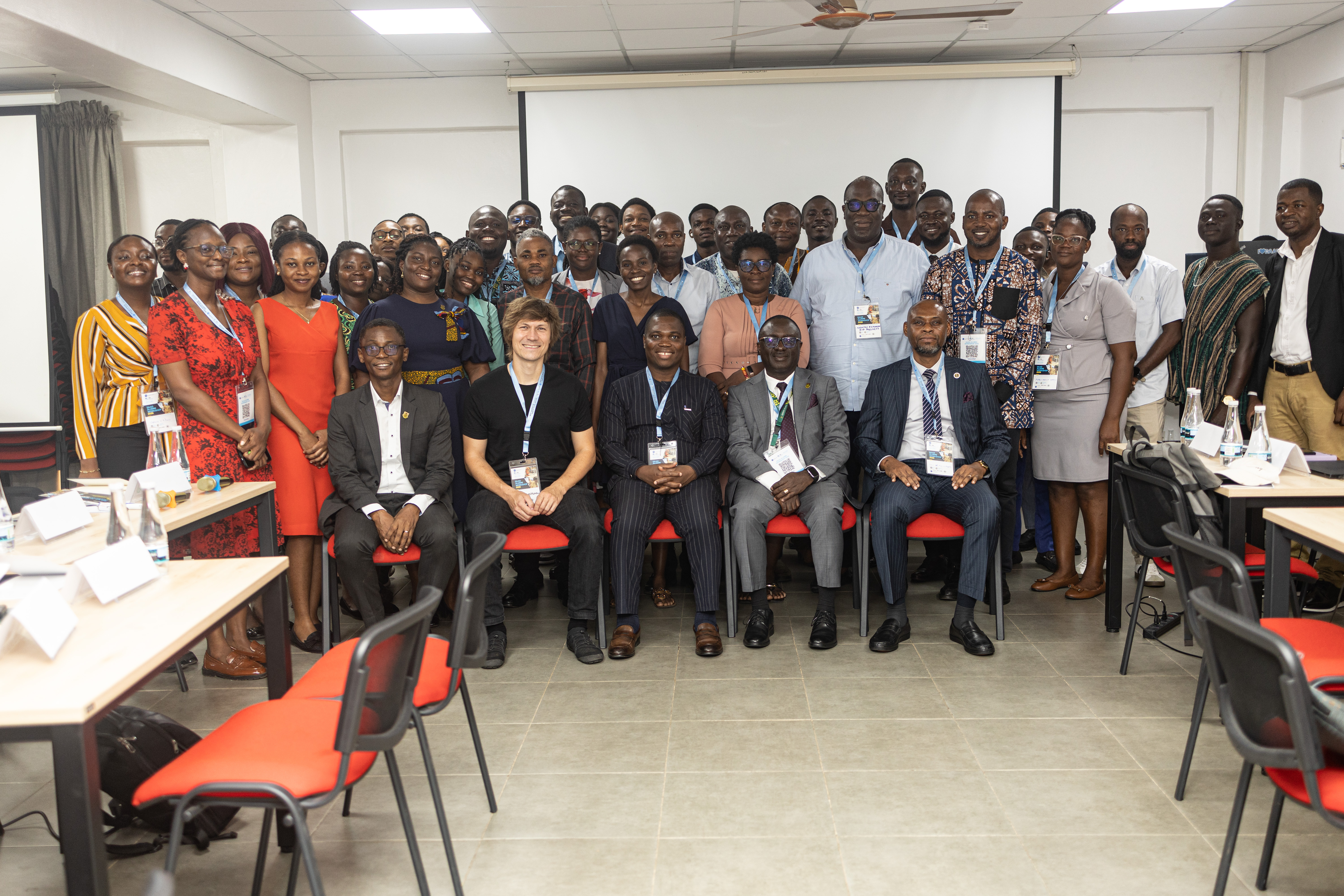
It is against this backdrop that the TCC International Centre for Innovation, Manufacturing, Technology Transfer and Entrepreneurship (TCC-CIMET), in collaboration with the German Academic Exchange Service (DAAD), has brought together DAAD alumni and stakeholders across the construction value chain for the DiCCRA Workshop, “Digital Pathways for Circular Construction: Alumni-Led Solutions for Resilient Communities in Africa.”
The two-day workshop is exploring how digital technologies and circular construction approaches can help address the resource pressures associated with Africa’s rapid urbanisation, while creating more resilient and sustainable communities.
Welcoming delegates and partners on behalf of the Vice-Chancellor of the Kwame Nkrumah University of Science and Technology (KNUST), the Pro Vice-Chancellor, Prof. David Asamoah, said the workshop reflects the University’s commitment to advancing knowledge that responds to society’s practical needs.
He noted that Africa’s rapid urbanisation continues to place pressure on infrastructure, resources and institutions, making it necessary to rethink conventional approaches to development.
“The questions this gathering pose, how we build, what we build with, and who benefits from that construction, are among the most consequential facing our continent today,” he said.
Speaking on behalf of the Director of the DAAD Regional Office in Accra, Mr. Felix Barnes highlighted the importance of sustaining the knowledge, networks and expertise developed through academic exchange.
He said the workshop provides an opportunity for DAAD alumni from Ghana, Africa and Germany to collaborate around sustainable, resilient and inclusive construction.
“The strength of the DAAD network lies in exactly this kind of cross-regional, interdisciplinary collaboration, connecting professionals and researchers who might otherwise never share a table,” he said.
For Convener and Director of Business Development and Sustainability at TCC-CIMET, Prof. Alexander Boakye Marful, the conversation goes beyond introducing new technologies to the construction sector. It is about changing how resources and materials are considered throughout the life of a building.
He explained that the construction sector, while resource-intensive and associated with significant waste, also presents opportunities to adopt more sustainable practices through digital tools and circular thinking.
Among the approaches highlighted were Building Information Modelling, material passports and lifecycle assessment, which can support better planning, tracking and management of materials from design through construction and eventual reuse.
The discussions also considered the potential of natural and locally available materials to complement modern construction practices, particularly in contexts where resource efficiency and resilience are critical to sustainable development.
The workshop brought together academia, industry, local government, planners, architects, quantity surveyors, students and other professionals within the construction ecosystem. Their participation provided a platform for examining the challenges and opportunities involved in moving circular construction principles from theory into practice.
The event featured keynote addresses by Prof. Moritz Dörstelmann and Prof. Emmanuel Appiah-Kubi on digital innovation and circular construction from African perspectives. The programme further featured thematic presentations and a panel discussion, providing participants with opportunities to exchange ideas, share experiences and examine practical pathways for advancing digital innovation and circular construction.
Beyond the exchange of ideas, the workshop is also strengthening connections among DAAD alumni, researchers, industry practitioners, government representatives and other actors across the construction value chain.
For TCC-CIMET, the engagement reflects the Centre’s broader effort to connect research, technology, industry and entrepreneurship in developing solutions to practical challenges. By creating space for interdisciplinary collaboration, the workshop seeks to contribute to a construction ecosystem that is not only capable of meeting Africa’s growing infrastructure needs, but is also more resource-efficient, innovative and resilient.
Was this article helpful?
TCC-CIMET
AdminStay up to date with what's happening at TCC-CIMET and within the KNUST community
Related post:
- TCC-CIMET, AESD Explore Collaboration to Strengthen Agricultural Technology Development in Ghana
- Prof. Agyare Assumes Chairmanship of TCC-CIMET Governing Board, Strengthening UNESCO, Ghana, KNUST Partnership
- Prof. Agyare Pledges to Transform TCC-CIMET and Strengthen Technology Transfer
- Precision Starts with Advanced CNC Machining
- TCC-CIMET Delivers Precision-Engineered Shaft for Legendary Foods' Coconut Shredder
- TCC-CIMET Hosts Japanese Scholars to Explore Collaboration on Technology Management and Skills Development for Artisans
- TCC-CIMET and Whitefalls Energy Explore Clean Energy Transportation Initiative for KNUST
- WiNE-KNUST, TCC-CIMET Celebrates International Women in Engineering Day with an Inspiring Seminar
- TCC-CIMET Hosts the African WEFE Nexus Summit 2026 Under the Trans Sahara Project
- Can Managed Aquifer Recharge Transform Northern Ghana? Researchers to Explore New Frontiers at the Trans Sahara Conference