Turning Waste into Fuel: Ghana Explores New Opportunities Through Pyrolysis Technology
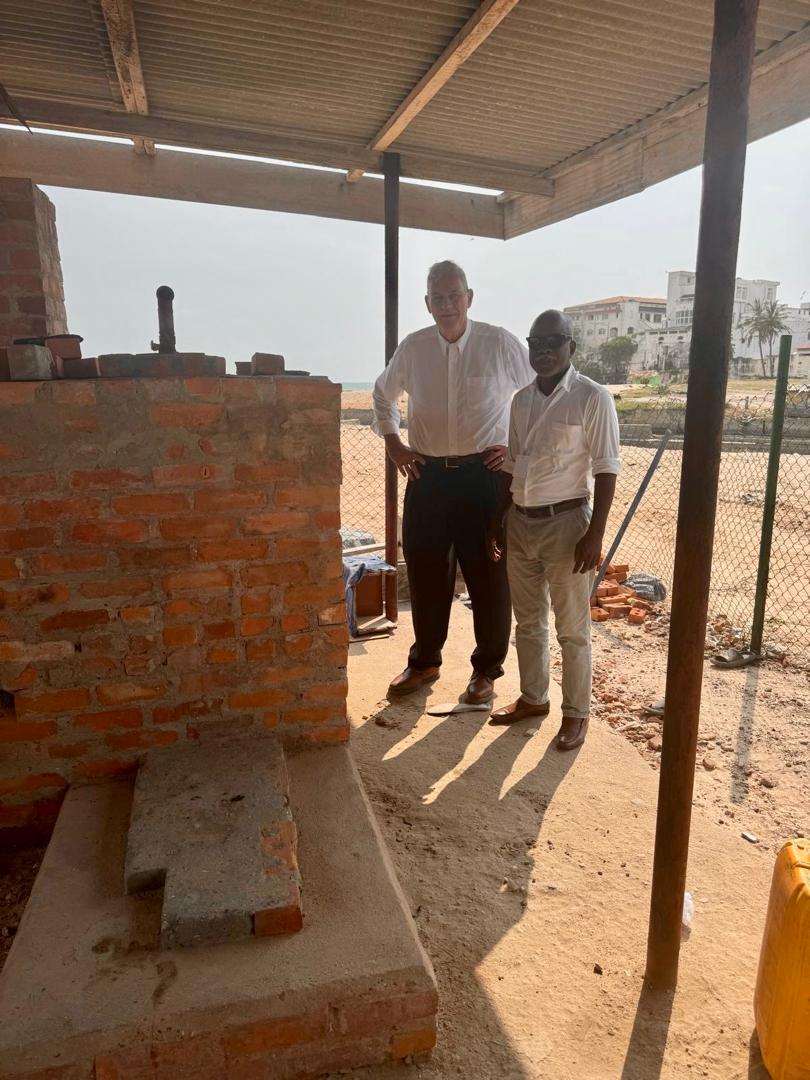
Ghana’s growing plastic and marine waste challenge is sparking a new wave of innovation driven by researchers who believe the country can transform an environmental crisis into a powerful economic opportunity.
At the center of this effort is Mr. Michael Commeh, Senior Research Fellow at TCC-CIMET, who, together with his team, is exploring how pyrolysis technology can convert discarded plastics and biomass into valuable products such as petrol, diesel, gas, and biochar.
The initiative brings together universities, communities, and local authorities under a Quadruple Helix Approach, ensuring that innovation is grounded in policy, community needs, and real-world application.
In partnership with Mr. Phil Heyl, Project Leader at the International Maritime Organization (IMO), the team visited the project site at Osu Alata, behind Osu Castle, to observe ongoing field demonstrations and engage with the research team on the technology’s potential for marine waste management and coastal protection.
Speaking at the Conference on Maritime Security 2025: Innovations and Partnerships for the Future, Mr. Commeh emphasized that the goal goes beyond technology it is about livelihoods, environmental protection, and inclusive growth.
“We want a clean environment one that does not take people’s jobs away but instead creates new opportunities for employment. Most importantly, we want to protect the livelihoods of small-scale fisheries, especially the 90,000 women we identified, while creating new income streams and safeguarding the ecosystems they depend on,” he noted.
Early results are promising. The pyrolysis systems have demonstrated operational efficiency, reduced emissions, and the ability to process mixed waste streams making them well-suited to Ghana’s waste realities. The team estimates that plastic-to-fuel conversion could generate over GH₵166 million in value within a few years.
While challenges remain, the project has shown a clear pathway for waste valorization, climate action, and local job creation. Researchers are calling for stronger policy support to enable entrepreneurs to establish small-scale pyrolysis plants across the country.
What began as an engineering experiment is now evolving into a compelling vision for a cleaner, circular economy one where waste becomes a resource, communities benefit, and innovation leads the way.
Was this article helpful?
TCC-CIMET
AdminStay up to date with what's happening at TCC-CIMET and within the KNUST community
Related post:
- TCC-CIMET, DAAD explore digital pathways for circular construction in Africa
- TCC-CIMET, AESD Explore Collaboration to Strengthen Agricultural Technology Development in Ghana
- Prof. Agyare Assumes Chairmanship of TCC-CIMET Governing Board, Strengthening UNESCO, Ghana, KNUST Partnership
- Prof. Agyare Pledges to Transform TCC-CIMET and Strengthen Technology Transfer
- Precision Starts with Advanced CNC Machining
- TCC-CIMET Delivers Precision-Engineered Shaft for Legendary Foods' Coconut Shredder
- TCC-CIMET Hosts Japanese Scholars to Explore Collaboration on Technology Management and Skills Development for Artisans
- TCC-CIMET and Whitefalls Energy Explore Clean Energy Transportation Initiative for KNUST
- WiNE-KNUST, TCC-CIMET Celebrates International Women in Engineering Day with an Inspiring Seminar
- TCC-CIMET Hosts the African WEFE Nexus Summit 2026 Under the Trans Sahara Project