TCC–CIMET Sets Up STEAM Clubs in Kwahu Nkwatia to Mark World Engineering Day 2026

The TCC International Centre for Innovation, Manufacturing, Technology Transfer and Entrepreneurship (TCC-CIMET) is set establish STEAM clubs across basic and senior high schools in Kwahu Nkwatia as part of activities to mark World Engineering Day 2026.
The initiative forms part of TCC-CIMET’s broader effort to advance engineering education at all levels across West Africa.
Speaking on behalf of the Director General of TCC –CIMET, Prof. Alexander Marful, the Director of Business Development and Sustainability explained that the initiative seeks to bridge the gap between STEAM education and young learners, inspiring them to pursue careers in engineering.
“The reason we are here is to ensure that STEAM; Science, Technology, Engineering, Arts and Mathematics is not too far removed from the children. We want them to begin understanding these concepts now so they do not seem too complex as they advance in their education. That is why we have engineers and architects here to guide them through the arts and science components, helping them become well-rounded and better prepared for the real world,” he said.
He made the remarks at an event organized by TCC-CIMET in collaboration with the Kwahu East District Assembly and the Nkwatia Traditional Council in Kwahu Nkwatia, where students received STEAM and robotics training while community members participated in soap-making and bead-making sessions.
The Kwahu East District Education Officer, Mr. Edward Somuah highlighted the opportunities that students are exposed to with the STEAM/TVET clubs.
“There are many opportunities in robotics, artificial intelligence and technology. With the right knowledge, students can pursue careers as lecturers, ICT teachers, cybersecurity experts, network specialists and many others. If they pay attention to what they are being taught and take the training seriously, their future will certainly be bright,” he said
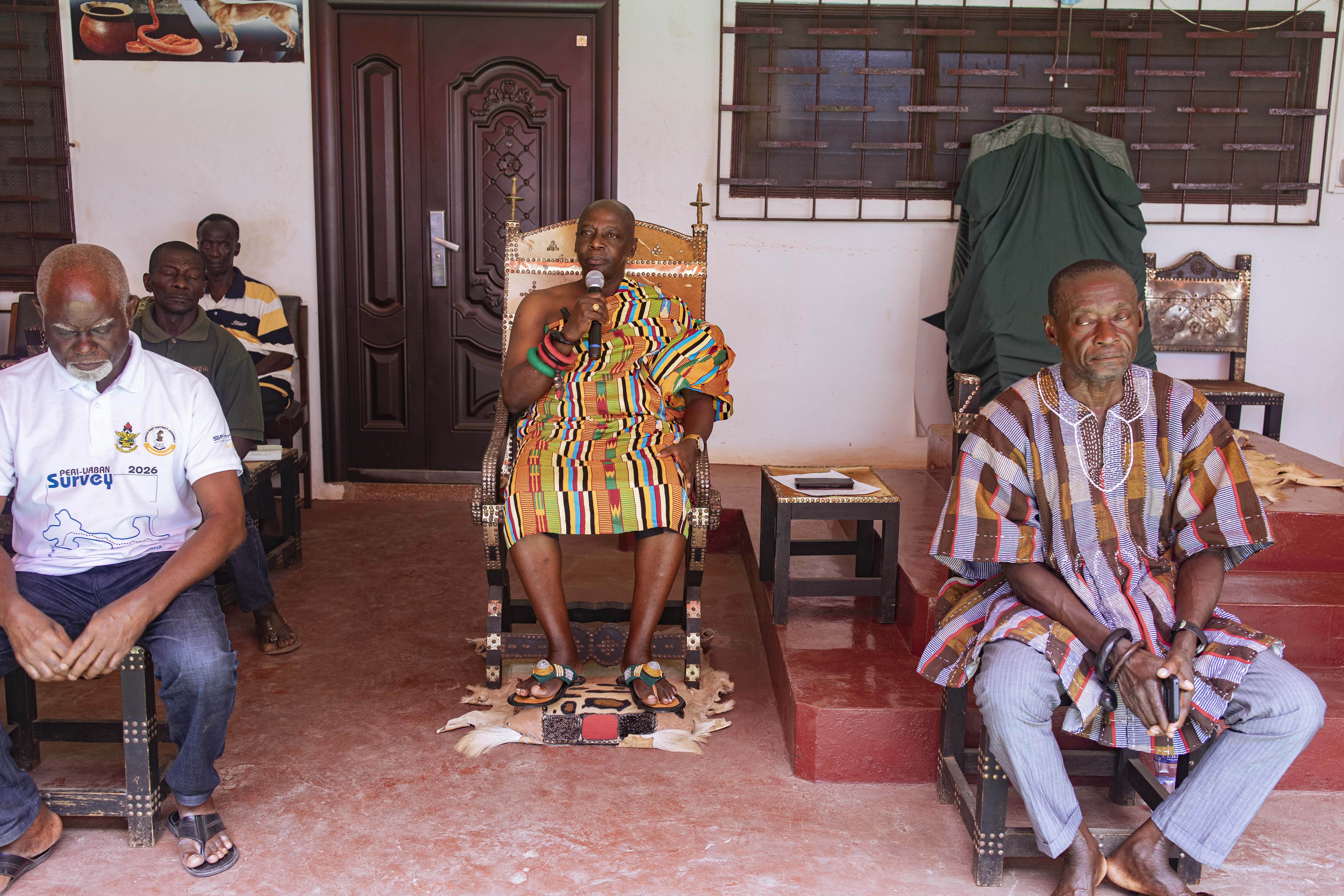
The Chief of Kwahu Nkwatia, Nana Boamah Ayirepe III, also expressed his appreciation to TCC-CIMET for bringing the STEAM and robotics training to the community. He commended the organisation for investing in the education and development of young people in the area.
As part of his support for the initiative, he allocated a location within the community where students involved in the programme can hold regular meetings for their robotics and STEAM club activities. He noted that providing the space would help the students continue learning, practising and developing their skills even after the training sessions have ended.
“I have gone around to see some of the things you have brought to teach our students and community members, and I must say that I am impressed, especially by the fact that you put this together yourselves I am also grateful to your organization for this important initiative. This programme will greatly benefit the young boys and girls in this community, as well as other members of the community who are taking part in the training. As they continue with the programme, they will need a place to meet and learn together. On behalf of the elders, we will therefore provide a space where they can hold their club meetings comfortably and concentrate on the activities without interference,” he said.
For the initial phase, ICT teachers will undergo training to equip them with the necessary knowledge and skills to guide students in the various clubs effectively.
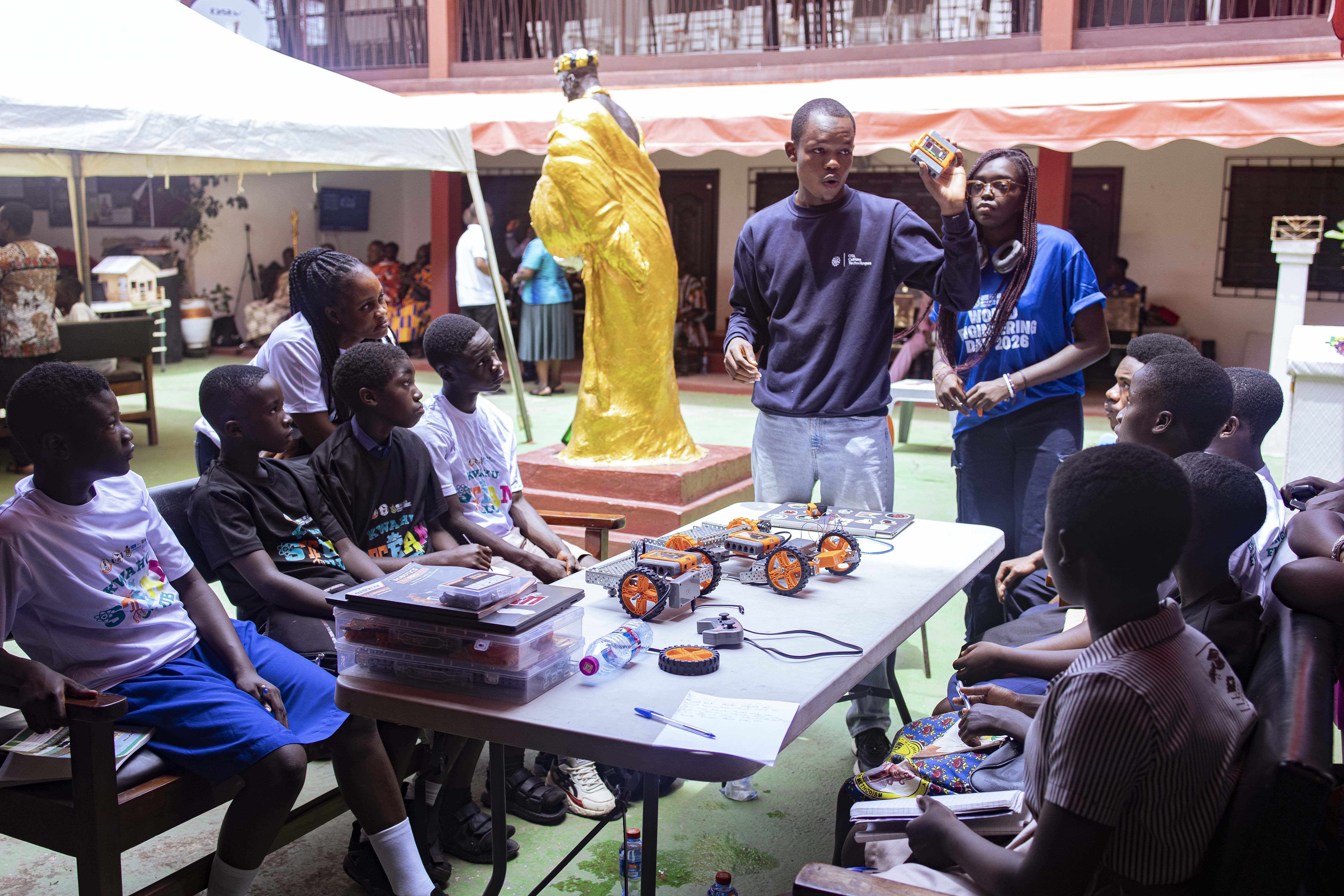
In a presentation, the Founder and Chief Executive Officer of Guru Kewl Inc., Canada, Arun Narayanan Kumar, shared insights on how robotics and artificial intelligence can even be adapted into toys for children, providing them with a fun and interactive way to learn.
“We have been able to use toys to teach children aged six and above about robotics and artificial intelligence,” he explained. “Some of the toys are simple building blocks that the children must assemble in a specific order. Completing these tasks helps them understand sequences and the logic behind how things work, making the learning process both easier and more fun.”
Peter, a student of Nkwatia Presby School, shared his experience with the training: “I’m happy that I was able to learn how traffic lights and other machines work. I now understand how things around us are controlled, and it has made learning about technology really exciting for me.”
Was this article helpful?
TCC-CIMET
AdminStay up to date with what's happening at TCC-CIMET and within the KNUST community
Related post:
- TCC-CIMET, DAAD explore digital pathways for circular construction in Africa
- TCC-CIMET, AESD Explore Collaboration to Strengthen Agricultural Technology Development in Ghana
- Prof. Agyare Assumes Chairmanship of TCC-CIMET Governing Board, Strengthening UNESCO, Ghana, KNUST Partnership
- Prof. Agyare Pledges to Transform TCC-CIMET and Strengthen Technology Transfer
- Precision Starts with Advanced CNC Machining
- TCC-CIMET Delivers Precision-Engineered Shaft for Legendary Foods' Coconut Shredder
- TCC-CIMET Hosts Japanese Scholars to Explore Collaboration on Technology Management and Skills Development for Artisans
- TCC-CIMET and Whitefalls Energy Explore Clean Energy Transportation Initiative for KNUST
- WiNE-KNUST, TCC-CIMET Celebrates International Women in Engineering Day with an Inspiring Seminar
- TCC-CIMET Hosts the African WEFE Nexus Summit 2026 Under the Trans Sahara Project